1. "Casablanca" (Michael Curtiz, USA)
 2. "The Life And Death Of Colonel Blimp" (Michael Powell, Emeric Pressburger, UK)
 5. "The Sky's The Limit" (Edward H. Griffith, USA)
4. "The Ox-Bow Incident" (William Wellman, USA)
 5. "Five Graves To Cairo" (Billy Wilder, USA)
 6. "Shadow Of A Doubt" (Alfred Hitchcock, USA)
 7. "Le Corbeau" (Henri-Georges Clouzot, France)
8. "Heaven Can Wait" (Ernst Lubitsch, USA)


Other great films:
Action In The North Atlantic
Air Force
Le Baron fantôme (France)
Hello, Frisco, Hello
Hi Diddle Diddle
Hitler's Children
I Walked With A Zombie
Journey Into Fear
Lassie Come Home
The Leopard Man
Mission To Moscow
The More The Merrier
Mr Lucky
Hi Diddle Diddle
Hitler's Children
I Walked With A Zombie
Journey Into Fear
Lassie Come Home
The Leopard Man
Mission To Moscow
The More The Merrier
Mr Lucky
Phantom Of The Opera
Przez lzy do szczescia (Poland)
Report From The Aleutians
Saludos Amigos
Sanshiro Sugata (Japan)
The Seventh Victim
The Song Of Bernadette
Son Of Dracula
Stage Door Canteen
Star Spangled Rhythm
Stormy Weather
This Is The Army
This Land Is Mine
Thousands Cheer
Titanic (Germany)
Victory Through Air Power
War Department Report
Watch On The Rhine
We Dive At Dawn (UK)
Top 10 Guilty Pleasures of 1943:
Przez lzy do szczescia (Poland)
Report From The Aleutians
Saludos Amigos
Sanshiro Sugata (Japan)
The Seventh Victim
The Song Of Bernadette
Son Of Dracula
Stage Door Canteen
Star Spangled Rhythm
Stormy Weather
This Is The Army
This Land Is Mine
Thousands Cheer
Titanic (Germany)
Victory Through Air Power
War Department Report
Watch On The Rhine
We Dive At Dawn (UK)
Top 10 Guilty Pleasures of 1943:
1. "Day Of Wrath" (Carl T. Dreyer, Denmark)

2. "Baron Munchhausen" (Josef von Baky, Germany)

3. "Voyage sans espoir" (Christian-Jaque, France)

4. "Geography Of The Body" (Willard Maas, USA)


6. "The Outlaw" (Howard Hughes, Howard Hawks, RKO)

7. "Happy Journey" (Otakar Vavra, Böhmen und Mähren)

8. "Confessions Of A Vice Baron" (S. Roy Luby, William A. O'Connor, Melville Shyer, Herman E. Webber, USA)


Short Top 3:
1. "Meshes Of The Afternoon" (Maya Deren, Alexander Hackenschmied, USA)


Other great shorts:
Heavenly Music
Plan For Destruction
Top Commercial:
"The Spirit Of '43" (Walt Disney, US Treasury)

Cartoon Top 10
1. "Chicken Little" (Clyde Geronimi, Disney)
 2. "Porky Pig's Feat" (Frank Tashlin, Warner)

Plan For Destruction
Sunde born (Denmark)
"The Spirit Of '43" (Walt Disney, US Treasury)

Cartoon Top 10
1. "Chicken Little" (Clyde Geronimi, Disney)
3. "Tortoise Wins By A Hare" (Robert Clampett, Warner)


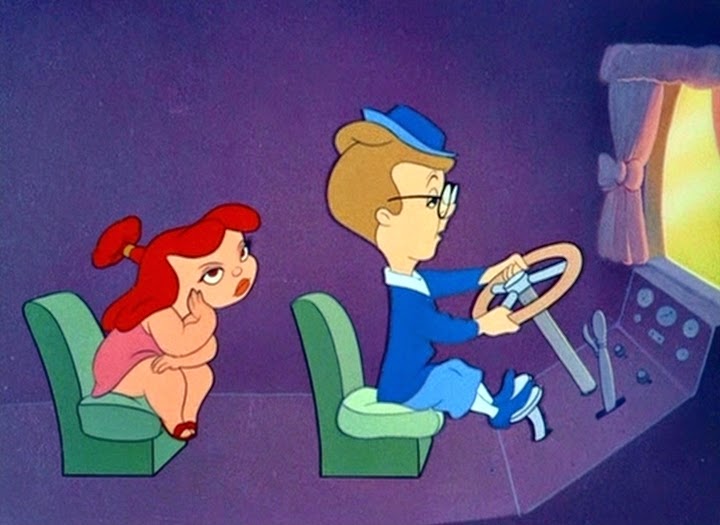


Other great cartoons:
Corny Concerto
Defense Against Invasion
The Dizzy Acrobat
Donald's Tire Trouble
Dumb Hounded
Defense Against Invasion
The Dizzy Acrobat
Donald's Tire Trouble
Dumb Hounded
Greetings Bait
He Dood It Again
Hiss and Make Up
Imagination
Inki And The Minah Bird
An Itch In Time
Jungle Drums
The Little Broadcast
Meatless Tuesday
One Ham's Family
Rumors
Scrap Happy Daffy
Secret Agent
Spies
The Stork's Holiday
Tin Pan Alley Cats
The Unbearable Bear
Underground World
Wackiki Wabbit
What's Buzzin' Buzzard
Who Killed Who ?
The Winged Scourge
He Dood It Again
Hiss and Make Up
Imagination
Inki And The Minah Bird
An Itch In Time
Jungle Drums
The Little Broadcast
Meatless Tuesday
One Ham's Family
Rumors
Scrap Happy Daffy
Secret Agent
Spies
The Stork's Holiday
Tin Pan Alley Cats
The Unbearable Bear
Underground World
Wackiki Wabbit
What's Buzzin' Buzzard
Who Killed Who ?
The Winged Scourge
Yankee Doodle Daffy
Weak films of 1943:
The Amazing Mrs Holliday
The Ape Man
The Battle Of Britain
Desert Victory (UK)
The Fallen Sparrow
Fires Were Started (UK)
Hangmen Also Die
Hers To Hold
Madame Curie
The North Star
Weak shorts:
All-American
Fala The President's Dog
Hold Your Temper
You John Jones
Weak cartoon:
Bah Wilderness
The Boy And The Wolf
Coming Snafu
Confusions Of A Nutzy Spy
Daffy The Commando
Fall Out Fall In
Fin 'n Catty
Flop Goes The Weasel
The Flying Jalopy
The Goldbrick
Gripes
Home Defense
The Home Front
Hop And Go
The Infantry Blues
Jack Wabbit And The Beanstalk
Lonesome Mouse
The Mummy Strikes
The Old Army Game
Pluto And The Armadillo
Private Pluto
The Screwball
Sufferin' Cats
Super Rabbit
Swing Your Partner
To Duck Or Not To Duck
Tokio Jokio
The Uninvited Pest
Victory Vehicles
War Dogs
Weak films of 1943:
The Amazing Mrs Holliday
The Ape Man
The Battle Of Britain
Desert Victory (UK)
The Fallen Sparrow
Fires Were Started (UK)
Hangmen Also Die
Hers To Hold
Madame Curie
The North Star
Weak shorts:
All-American
Fala The President's Dog
Hold Your Temper
You John Jones
Weak cartoon:
Bah Wilderness
The Boy And The Wolf
Coming Snafu
Confusions Of A Nutzy Spy
Daffy The Commando
Fall Out Fall In
Fin 'n Catty
Flop Goes The Weasel
The Flying Jalopy
The Goldbrick
Gripes
Home Defense
The Home Front
Hop And Go
The Infantry Blues
Jack Wabbit And The Beanstalk
Lonesome Mouse
The Mummy Strikes
The Old Army Game
Pluto And The Armadillo
Private Pluto
The Screwball
Sufferin' Cats
Super Rabbit
Swing Your Partner
To Duck Or Not To Duck
Tokio Jokio
The Uninvited Pest
Victory Vehicles
War Dogs


